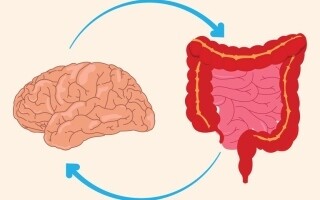
An international team of scientists has uncovered a previously unknown function of the enteric nervous system, known as the 'second brain.' According to a study conducted in collaboration by the Universities of Bern and Chartres, the gut brain plays a crucial role in regulating and maintaining the intestinal barrier, which is the first line of defense against intestinal contents. A disruption of this delicate balance leads to intestinal inflammation, the development of allergies, or chronic diseases such as irritable bowel syndrome and inflammatory bowel diseases. The results revealed that intestinal nerve cells use vasoactive intestinal peptide to communicate directly with stem cells, preventing them from rapidly multiplying or excessively differentiating into specific cell types. When this system fails and vasoactive intestinal peptide is absent, an excess of Paneth cells (a rare and distinct type of intestinal epithelial cell) forms, releasing signals that stimulate an allergic-like response in the intestine. Researchers emphasized that the enteric nervous system is a critical factor in maintaining the health of the intestinal mucosa, regulating immune responses, and preserving the integrity of the intestinal barrier. Therefore, the gut brain is not merely an aid to digestion but a vital center for health and immunity, potentially influencing diseases that affect a large portion of the population. The scientists noted that this discovery explains why some people suffer from severe food allergies and paves the way for developing more precise and personalized treatments for intestinal diseases and allergies, including irritable bowel syndrome and chronic inflammatory diseases. Furthermore, the findings suggest that diet can directly affect the interaction between nerves, cells, and immunity in the gut, opening the door to dietary strategies to support digestive health.